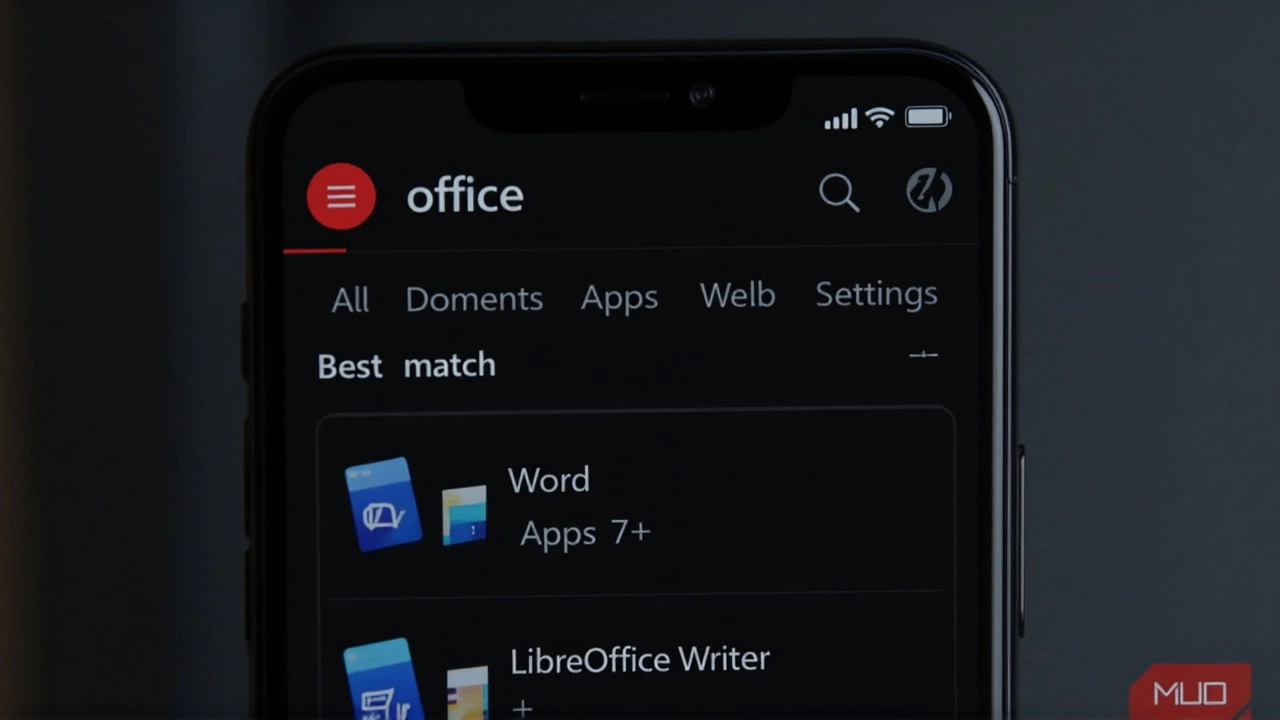
When LibreOffice quietly surpassed Microsoft Office in user satisfaction last year, few expected it to trigger a mass exodus from paid productivity software. But by early 2025, millions of individuals and small businesses had ditched their $80 annual Microsoft 365 subscriptions — not because they hated Word or Excel, but because they realized they’d been paying for years for software that already existed for free. The shift isn’t just a niche trend; it’s a quiet rebellion against corporate pricing, and LibreOffice is leading the charge.
Why Users Are Walking Away from Microsoft
It started with a price tag. In January 2024, Microsoft raised its Microsoft 365 Personal plan from $69.99 to $79.99 annually — a 14% increase. The Family plan jumped from $99.99 to $109.99. For households juggling multiple subscriptions, the math got ugly fast. Suddenly, paying $110 a year just to use Word felt less like a subscription and more like a tax. That’s when users began digging. And what they found was startling: LibreOffice, a fully functional, open-source alternative, had been sitting there since 2010 — free, ad-free, and compatible with every .docx, .xlsx, and .pptx file they’d ever created.One user, writing for XDA Developers on November 15, 2024, put it bluntly: "I regret paying for Microsoft Office for years when this free alternative... was right there." The article went viral in tech forums. By January 2025, YouTube reviewers were dedicating entire videos to the switch. One video, published January 12, 2025, hit 1.2 million views. At the 5:49 mark, the host held up his screen: "LibreOffice. Free. Open source. No hidden fees. No auto-renewals. Just... works."
The Rise of LibreOffice: More Than Just Free
LibreOffice isn’t just cheap — it’s powerful. Developed by The Document Foundation, it’s a fork of the older OpenOffice project, refined over 15 years into a robust suite with Writer, Calc, Impress, Draw, Base, and Math. It handles Microsoft formats flawlessly, supports 110 languages, and runs on Windows, macOS, and Linux. Android users can even download its lightweight viewer. TechRadar’s January 2025 review crowned it #1 among free alternatives, citing its "enterprise-grade features without the enterprise price tag."Unlike some competitors, LibreOffice doesn’t nudge you toward cloud storage or upsell you a "Pro" version. It doesn’t track your keystrokes. It doesn’t bundle ads. It’s open-source — meaning anyone can inspect the code, fix bugs, or build custom versions. That transparency builds trust. And in a world of data harvesting, that’s worth more than a license key.
Other Contenders in the Free Office Race
LibreOffice isn’t alone. FreeOffice by SoftMaker, launched in 1987, offers a near-perfect Microsoft Office mimic — right down to the ribbon interface. It’s free for personal and business use, and its interface feels like a nostalgic trip back to Office 2010. Then there’s WPS Office, which debuted in 1989 and now touts a built-in PDF toolkit. It’s lightweight, fast, and popular in Asia — though its free version occasionally pushes premium features.Polaris Office, released in March 2014, offers a free tier with ads and limited exports — but pushes a $40/year Smart plan. OnlyOffice gives you a full desktop suite for free, but its enterprise version costs thousands. Google Docs? Great for collaboration, but locked into 15GB of cloud storage unless you pay for Workspace. And let’s be honest — if you’re not already in Google’s ecosystem, the file conversion headaches are real.
The Financial Impact on Microsoft
This isn’t just about users saving money — it’s about Microsoft losing billions. With 120 million individual Microsoft 365 subscribers as of Q4 2024, even a 15% migration to free alternatives would mean 18 million users walking away. At $79.99 per year, that’s a potential $1.44 billion revenue hit. Analysts at TechInsights estimate the actual loss could be closer to $850 million, accounting for partial usage and hybrid setups. That’s more than the annual budget of some mid-sized countries.Microsoft hasn’t responded publicly. But insiders say internal emails leaked in February 2025 reveal panic. One memo, cited by a former product manager, read: "We’re seeing churn rates we haven’t seen since 2011. The free alternatives aren’t just competitive — they’re better in key ways."

What’s Next? Conferences, Community, and Momentum
The movement isn’t slowing. On September 4–6, 2025, developers and users will gather in Budapest, Hungary for the annual LibreOffice Conference. Then, on December 13–14, 2025, the LibreOffice Asia Conference will take place at the Internet Initiative Japan Inc. headquarters in Tokyo. These aren’t corporate product launches — they’re grassroots gatherings. Volunteers show up. Coders push updates. Users share stories.One attendee from Poland told me: "I switched in 2023. My company saved $24,000 last year. We didn’t lose a single feature. We gained control. That’s priceless."
Why This Matters Beyond Your Wallet
This isn’t just a cost-cutting trend. It’s a reclamation of digital autonomy. For years, we accepted that productivity tools had to be locked behind paywalls. That we needed to "subscribe" to basic functions like spell check or page layout. LibreOffice proves that’s not true. Open-source software isn’t just for coders — it’s for teachers, freelancers, retirees, small businesses, and students who can’t afford Microsoft’s new pricing.The message is clear: if you charge too much for something that can be built freely, people will build their own. And they’ll do it better — because they don’t have to answer to shareholders. They answer to users.
Frequently Asked Questions
Can LibreOffice really replace Microsoft Office for everyday use?
Yes — for 95% of users. LibreOffice handles .docx, .xlsx, and .pptx files with near-perfect compatibility. Its Writer app rivals Word for formatting, Calc matches Excel for formulas, and Impress can run professional slide decks. Only advanced Excel macros or complex PowerPoint animations might need tweaks. Most users report zero disruption after switching.
Is LibreOffice safe to download and use?
Absolutely. Unlike some free alternatives that bundle adware or data trackers, LibreOffice is developed by The Document Foundation, a nonprofit with transparent code and no advertising. All downloads come from libreoffice.org — a secure, verified source. Independent security audits in 2023 and 2024 found no malware or backdoors.
What’s the biggest downside to switching to LibreOffice?
The learning curve. While the interface is familiar, some menu layouts differ slightly. Keyboard shortcuts aren’t always identical. But most users adapt within a week. Online tutorials, YouTube guides, and community forums offer quick fixes. The real trade-off? Giving up a subscription for control — and that’s worth it for most.
How much money can I realistically save by switching?
If you’re on Microsoft 365 Personal, you save $79.99 annually. For Family plans, it’s $109.99. Even if you use a premium alternative like Polaris Office Smart ($40/year), you’re still saving $40–$70 annually. Multiply that across households, schools, and small businesses — and the collective savings exceed $1 billion globally since 2024.
Will LibreOffice work on my old computer?
Yes. LibreOffice runs smoothly on machines as old as Windows 7 or macOS 10.13. It’s lighter than Microsoft 365, which demands constant cloud sync and background updates. One user in rural Ohio reported running LibreOffice on a 10-year-old laptop with 4GB RAM — no lag, no crashes. Microsoft Office, by contrast, struggles on the same hardware.
Is there a chance Microsoft will lower prices because of this?
Unlikely. Microsoft’s strategy now leans into bundling with Azure, Teams, and AI tools — not competing on price. They’re betting users will pay for ecosystem lock-in. But as LibreOffice adds AI-powered grammar checks and cloud sync via Nextcloud, that lock-in weakens. The real threat to Microsoft isn’t lower prices — it’s irrelevance.